

 Back
Back
How does a water butt diverter work?
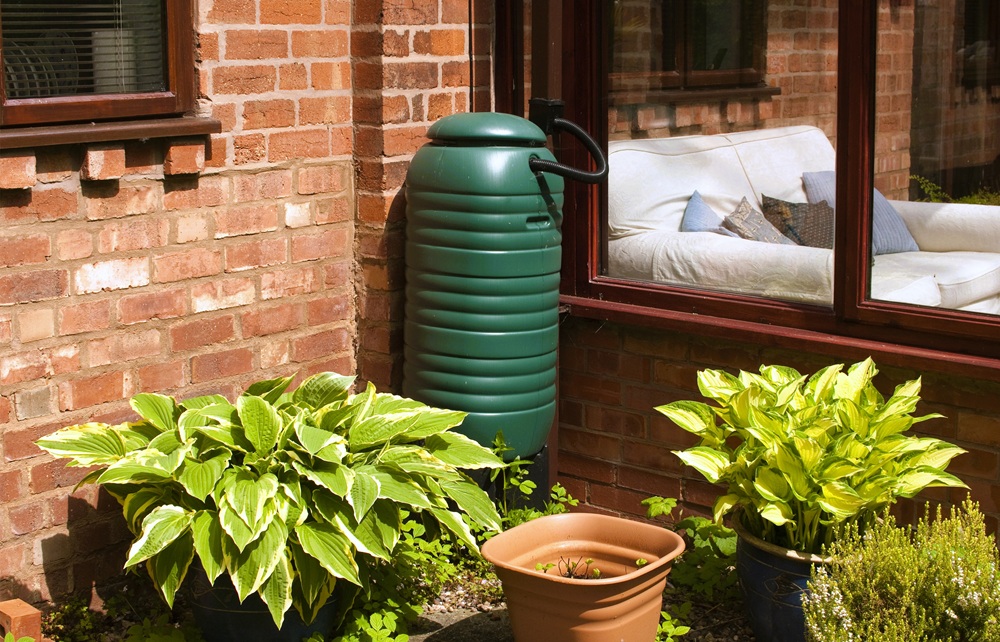
If you’re new to the idea of diverting or collecting rainwater, but you’re interested in how to create an efficient rainwater management system, you’re in the right place.
Here at Total Pipeline Systems, we’re trusted suppliers of rainwater systems in the UK, including a wide range of parts for guttering and downpipes.
In this blog, we’ll explain all you need to know about how water butt diverters work, plus how to connect a water butt to a drainpipe for a rainwater harvesting system!
What is a water butt diverter or rain diverter?
A water butt diverter, also known as a rainwater diverter, is a simple component that creates a channel between a downpipe and a water butt, rain barrel, or tank.
It basically acts as a bridge that funnels rainwater from the pipe into a storage receptacle, allowing you to collect rainwater efficiently without manual intervention.
You might incorporate a rain diverter when installing guttering onto your garden shed roof or main property to keep water away from the walls and foundations, or to collect it for watering your garden or house plants while trying to conserve water.
When connected to a guttering system, a rainwater diverter is a great way to maintain structural stability by preventing flooding, while collecting water for future use.
How does a rain diverter kit work?
To install a rainwater harvesting system or diverting system, you’ll need a downpipe diverter, a water butt, connectors, and filters to keep debris out of the collected water.
When it rains, the water will flow down the roof into the gutters and downspout due to gravity. It will then be channelled through the diverter fitted into the downpipe and through the flexible hose connecting the diverter to the storage container.
This rain diverting device is also designed to direct excess water back out into the drainage system once the water butt is full, preventing it from overflowing.
These systems are easy to install on ordinary structures and can effectively collect rainwater without requiring complicated plumbing or electrical infrastructure.
It will collect rainwater quietly in the background with little effort – all you need to do to maintain the water butt diverter is occasionally clean the filter.
What are the benefits of water butt diverters?
There are many benefits to using a water butt diverter to collect rainwater, including:
Helping the environment
Using a water butt contributes to water conservation efforts, as you can use this water instead of mains water for non-potable purposes like gardening or washing your car.
It also helps to reduce runoff, especially during storms, which could otherwise lead to environmental damage and local sewer system damage from flooding and erosion.
Convenient rainwater collection
Instead of letting the rain go to waste, a diverter and butt will capture and store water efficiently for you. Aside from installation and maintenance, there’s no work required.
Gravity sends the water from the gutters down the drainpipe, and the simple rainwater system directs the water where it needs to go, with no pumps or pressure buildup.
Reducing water utility bills
Collecting rainwater is a cost-effective way to reduce mains water consumption and monthly water bills, so rainwater harvesting systems can help you save money!
For tasks that don’t require treated tap water – such as watering plants, cleaning cars, flushing toilets, and even washing clothes – you can use filtered rainwater instead.
Keeping plants healthy
One of the main uses of collected rainwater is gardening. If you have a lot of plants, both inside and outdoors, using mains water to take care of them can be costly.
Alternatively, a water butt ensures plants have a consistent water supply, even in dry spells. Rainwater will also be better for plants and flowers, as it will contain fewer chemicals.
How do I install a water butt diverter?
Another benefit of water butt diverters is that they’re easy to install with minimal tools, meaning it shouldn’t be too difficult to DIY without professional help.
Once you have a water storage container and rainwater diverter, all you need to do is fit the diverter into your rainwater downpipe and connect it to the water butt.
You could have a rainwater harvesting system up and running in just a few hours!
How to connect water butt to downpipe:
Choose the right location – First, select a suitable position to place the water butt close to the downpipe. Then, find the right place on the pipe for the water butt’s inlet to connect to – usually a few centimetres above the water butt – and mark this spot.
Cut the downpipe – Carefully, use a saw to cut the drainpipe where you marked it. You can simply remove a section of the pipe to create an opening large enough for the diverter, or cut the length of the pipe completely to fit the diverter at the bottom.
Mount the diverter – Follow the mounting instructions that come with your diverter to slide the device into place and secure it. This may be a push-fit system or require screws or sealant. Make sure it is oriented properly for water to flow towards the butt.
Join the diverter to the butt – Insert the connecting hose to hook the diverter up to the inlet hole in the water butt, making sure to tighten it securely to prevent leaks. If there is no inlet, you may need to drill a hole into the water butt at the correct height.
Order rainwater system supplies from Total Pipes
Now you know how water butt diverters work and how to install one, you’re ready to shop our selection of high-quality rainwater systems, guttering, and downpipe supplies!
Available at competitive prices, with FREE delivery on orders over £300, you can order the rainwater system components you need for cost-effective rainwater collection.
Not sure which parts you need? Give the Total Pipes team a call on 01254 382 000 for expert guidance, or email your query to sales@totalpipes.co.uk and we’ll get back to you with more information as soon as possible.